
 +86 15898932201
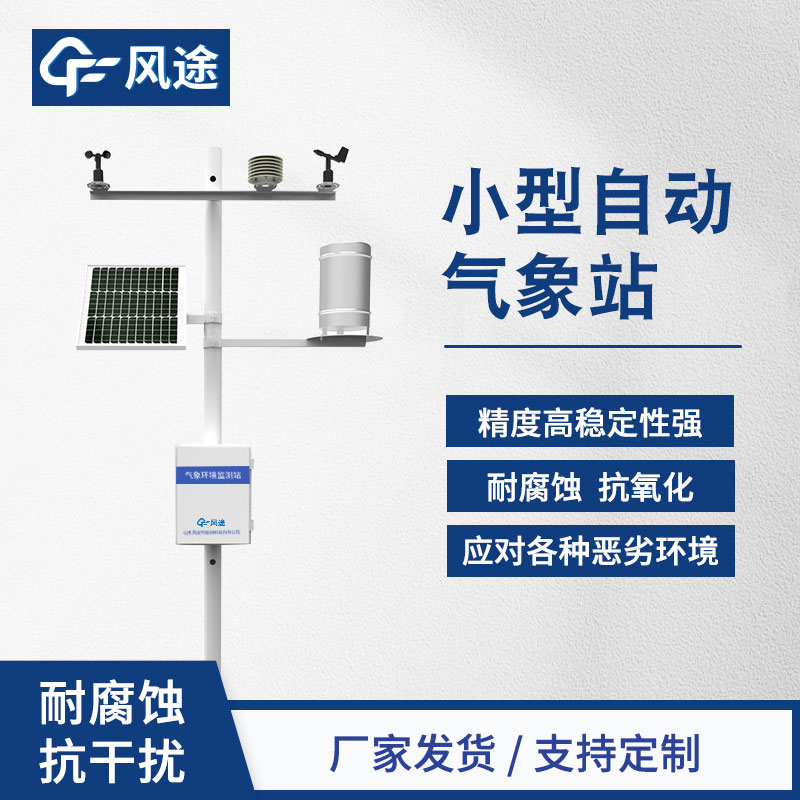
The Mechanical weather station does not use an integrated sensor. Instead, it adopts a split - type structural design, which distributes the measurement functions of meteorological elements such as temperature, humidity, air pressure, wind speed, wind direction, and rainfall to independent sensors. Although this design increases the complexity of the equipment, it also brings some advantages. For example, each sensor operates independently, which is convenient for maintenance and replacement, reducing the overall maintenance cost of the equipment.
Among those independent sensors, temperature sensors usually adopt bimetallic strip or thermistor technology, which can quickly respond to changes in ambient temperature. Humidity sensors mostly use capacitive or resistive measurement principles to ensure stable data even in complex environments. Barometric pressure sensors measure atmospheric pressure through the piezoelectric effect or capacitance changes, providing important references for weather forecasts. Wind speed and wind direction sensors adopt the traditional cup anemometer or wind vane structure, which is simple in structure but highly reliable. Rainfall sensors can accurately record precipitation through tipping bucket or weighing - type designs.
This split - type design endows the Mechanical weather station with strong adaptability, allowing for flexible configuration of the types and quantities of sensors according to actual needs. For example, in the agricultural field, temperature, humidity, rainfall, and soil sensors can be mainly configured to monitor the crop growth environment. In the wind power generation field, the configuration of wind speed and wind direction sensors can be strengthened to provide data support for wind farm operations.
Users can add new sensor modules at any time, such as solar radiation sensors and ultraviolet sensors, to meet more complex meteorological monitoring requirements. This flexibility enables the Mechanical weather station to adapt to applications in different industries and scenarios.
The Mechanical weather station usually uses wired or wireless communication methods to centrally transmit the data collected by each sensor to the data processing center. Through communication protocols such as RS232/485, Ethernet, or 4G, real - time data transmission and remote monitoring can be achieved. For scenarios that require multi - point monitoring, multiple Mechanical weather stations can form a monitoring network to achieve comprehensive coverage of regional meteorological data.
Article address:https://www.sqqx.net/en/news/579.html