
 +86 15898932201
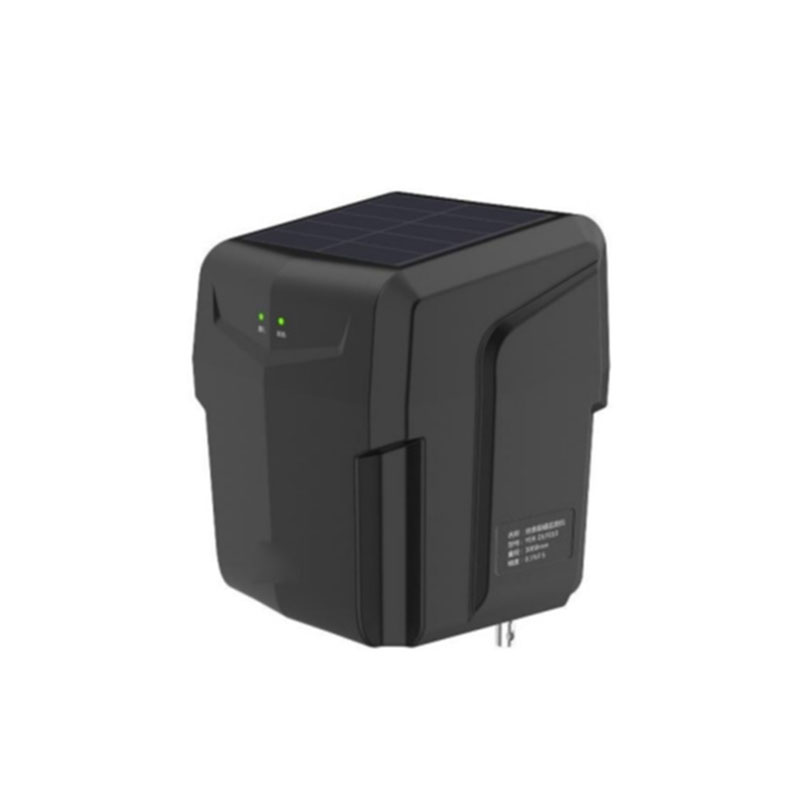
Tilt angle monitoring device is a high-precision electronic instrument used for accurately measuring minute changes in the tilt angle of objects. It uses built-in sensors to monitor the subtle tilt of the target object in real time and wirelessly transmits the data to a monitoring platform. It is primarily used in areas such as geological disaster early warning, geotechnical engineering safety, and structural health monitoring of buildings.
Tilt angle monitoring device is a precision instrument specifically designed to measure and record the angular attitude and changes of objects or structures in space. Its core function is to detect the tilt angle of the measured object relative to the horizontal plane or initial baseline, and it can sense minute angular changes. Due to its high measurement accuracy, low power consumption, and long-term operational stability, this device has become a key tool in various safety monitoring scenarios.
The core component of this monitoring instrument is a high-precision MEMS tilt sensor or electrolytic sensor. The sensor converts the physical angular displacement into an electrical signal, which is then processed, calculated, and stored by the device's internal high-resolution analog-to-digital conversion circuit and microprocessor. The device typically employs a low-power design and is equipped with wired or wireless communication modules (such as 4G, NB-IoT, or LoRa) to achieve remote, real-time transmission of monitoring data. Its compact structure and small size facilitate installation and deployment in complex or confined field environments.
In practical applications, Tilt angle monitoring device primarily serves two types of monitoring needs. The first type is the monitoring of slow deformation, typically applied in the field of geological hazards and geotechnical engineering. For example, monitoring instruments installed on landslides, unstable rock slopes, dams, deep foundation pit support structures, or road embankments can continuously capture the extremely slow tilt deformation of geological bodies or engineering structures caused by stress changes, groundwater activity, and other factors. The accumulation of this micro-tilt change data is an important basis for stability analysis and early warning of disasters.
The second type is for high-frequency vibration or instantaneous deformation monitoring of structures, which is particularly important in the health monitoring of bridges, high-rise buildings, tower structures (such as communication towers, wind turbine towers), and historical protected buildings (such as ancient pagodas and city walls). The device can record the dynamic tilt response of the structure under wind load, vehicle load, or seismic action, and assess its rigidity and safety status. Furthermore, its applications have extended to specialized fields such as the protection of ancient and valuable trees and the stability monitoring of tall trees in landscaping.
A complete tilt monitoring system typically consists of several front-end monitoring instruments, a data transmission network, and a back-end monitoring and early warning platform. The monitoring instruments operate automatically at a set sampling frequency, enabling continuous, unattended measurement. The data platform is responsible for receiving, storing, and managing all data, and provides functions such as trend analysis and change curve display. Users can set different alarm thresholds for different monitoring points. Once the rate of change or cumulative change of the monitoring data exceeds the safety range, the system will automatically trigger an early warning message, notifying relevant personnel to take timely investigation or corrective measures.
In summary, Tilt angle monitoring device transforms the tilt amount in physical space into quantifiable, transmissible, and analyzable digital information, providing objective and continuous data support for engineering safety, disaster prevention, and facility management. It enables the perception of structural deformation and geological displacement to move from periodic manual measurement to real-time, automated intelligent monitoring, significantly improving the timeliness and reliability of safety management.
Article address:https://www.sqqx.net/en/news/802.html