
 +86 15898932201
Dam seepage monitoring and analysis system is an automated system that comprehensively utilizes sensor, IoT, and data analytics technologies to monitor, collect, and analyze seepage data from the dam body, foundation, and banks in real time. This includes seepage flow, phreatic line, and seepage pressure, providing data support for assessing the dam's safety status and guiding reinforcement and repair efforts.
The core task of Dam seepage monitoring and analysis system is to continuously acquire multiple key physical parameters related to dam seepage. Its monitoring content is mainly divided into two categories: first, seepage flow monitoring, typically achieved by setting up measuring weirs (such as triangular or trapezoidal weirs) at the dam toe or centralized drainage points, calculating seepage flow changes based on the water head height above the weir; second, seepage pressure monitoring, which involves burying piezometers or manometers inside the dam body, in the foundation, and around the dam to measure water pressure at different locations, thereby calculating the phreatic line position (i.e., the free surface of seepage) within the dam body and its changes. These data collectively reflect the intensity, path, and stability of the seepage.
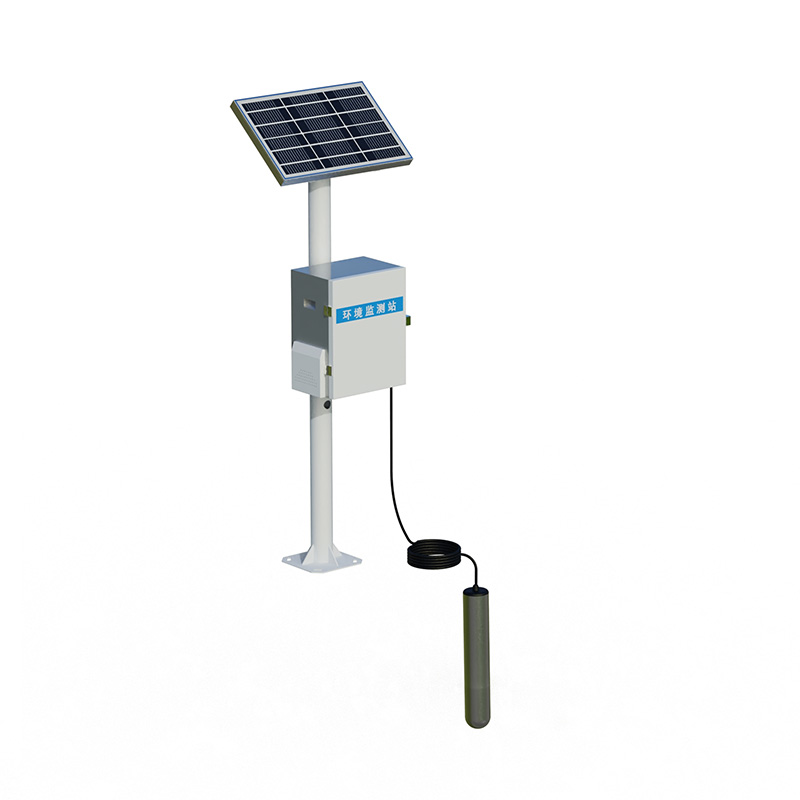
This system achieves automated operation through technological integration. The monitoring front end consists of a sensor network deployed at key locations throughout the dam body, including piezometers, weir gauges, and water level gauges. Data is transmitted in real-time or periodically to a central data acquisition unit or cloud platform via wired or wireless IoT transmission networks. Back-end analysis software processes, stores, and visualizes the received data. The software not only displays real-time data and historical curves but also automatically issues alarms when seepage flow or seepage pressure values abnormally increase, based on predefined warning thresholds.
Dam seepage monitoring and analysis system has irreplaceable value for dam safety management. Its primary function is to ensure operational safety. Seepage is one of the core factors affecting dam stability; abnormal increases in seepage flow or a rise in the phreatic line may be precursors to piping, contact erosion, and other hazards. This system, through continuous monitoring, provides engineering managers with the earliest risk warnings, a key technical means to achieve "early detection and early response." Secondly, it supports scientific decision-making regarding hazard mitigation and reinforcement. Long-term monitoring data can reveal the changing patterns of the seepage field, helping engineers accurately diagnose the seepage behavior of the dam, determine whether the seepage barrier has failed, and thus formulate targeted seepage prevention and reinforcement schemes, avoiding blind construction.
The effective application of the system depends on standardized deployment and scientific analysis. Sensor deployment must be based on engineering geological conditions and seepage calculation models, installed at key control sections along the seepage path. In daily management, sensors need to be calibrated and maintained regularly to ensure data reliability. Data analysis not only focuses on whether instantaneous values exceed limits, but also emphasizes the correlation and trend changes between data from various measuring points and their relationship with environmental factors such as reservoir water level and rainfall. Modern systems increasingly incorporate big data analysis and artificial intelligence algorithms, attempting to achieve intelligent diagnosis and safety early warning of seepage status.
Currently, Dam seepage monitoring and analysis system is developing towards higher integration and greater intelligence. The new generation system is committed to deeply integrating seepage data with multi-source monitoring information such as deformation, stress, and environmental quantities to construct a panoramic view of dam safety. Based on cloud platforms and digital twin technology, it achieves dynamic assessment and predictive maintenance of dam health status. As one of the "nerve centers" of dam safety monitoring, the continuous improvement and reliable operation of this system is a solid foundation for implementing the responsibility for reservoir dam safety management and enhancing the ability to prevent and control engineering risks.
Article address:https://www.sqqx.net/en/news/805.html