
 +86 15898932201
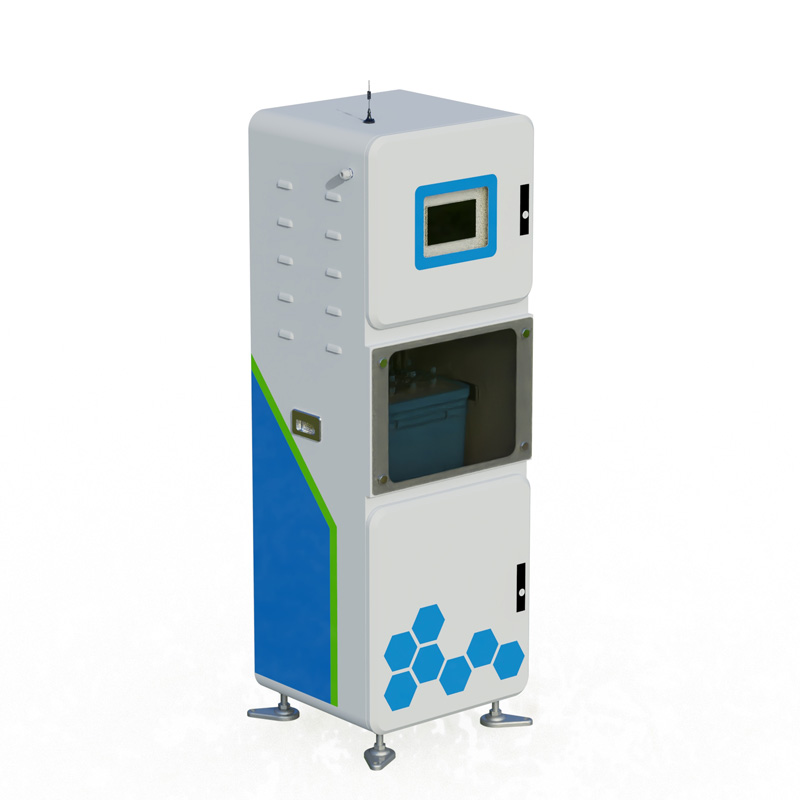
Multi Parameter Water Quality Monitor System is an instrument for continuously monitoring multiple key indicators of water quality, also known as an online multi-parameter water quality monitor. It can simultaneously connect sensors for pH, temperature, turbidity, conductivity, dissolved oxygen, COD, ammonia nitrogen, and suspended solids, and is suitable for applications such as drinking water safety, industrial wastewater treatment, and swimming pool water quality maintenance.
Multi Parameter Water Quality Monitor System is an instrument used for continuous, automatic analysis of water bodies. By integrating or connecting multiple independent parameter sensor probes, it forms a complete measurement system that can achieve synchronous monitoring of key water quality indicators and remote data transmission without interrupting the process or requiring manual sampling.
The core parameters monitored by this instrument cover the basic physicochemical indicators and some key pollution indicators for water quality assessment. Basic physicochemical indicators include pH (acidity/alkalinity), temperature, turbidity (water clarity), and conductivity (representing the total amount of dissolved ions in the water). These are essential parameters for determining the basic condition of the water body. Key pollution and ecological indicators include dissolved oxygen (reflecting the water body's self-purification capacity and ecological health), chemical oxygen demand (COD) (representing the degree of organic pollution), ammonia nitrogen (a decomposition product of nitrogen-containing organic matter, toxic to aquatic organisms), and suspended solids concentration. By simultaneously obtaining these parameters, a comprehensive assessment of water quality can be performed.
The instrument's working principle is based on the independent measurement technologies of each sensor. For example, pH uses the glass electrode method, dissolved oxygen uses the fluorescence method or electrode method, turbidity uses the light scattering method, and ammonia nitrogen and COD usually use online colorimetric or electrode methods. All sensors are installed in a flow-through measurement cell or directly immersed in the water body being measured. The control system drives each sensor to operate at a preset frequency, processing the collected analog or digital signals and converting them into standardized concentration or numerical readings.
Its core features are "real-time online" and "multi-parameter synchronous measurement." It achieves a shift from intermittent manual laboratory testing to continuous on-site automatic monitoring, capable of capturing dynamic changes in water quality on a minute or hourly scale. Multi-parameter synchronous measurement ensures the temporal consistency and comparability of the data, which helps in analyzing the correlation between different indicators, such as the impact of temperature on dissolved oxygen, or the impact of pollutant discharge on pH. In terms of technical composition, a complete monitoring instrument typically includes a sensor group, a sample processing unit (for filtration or reagent addition, if needed), a data acquisition controller, a communication module, and a cleaning and anti-fouling device. Advanced models also feature automatic calibration, fault diagnosis, and exceedance alarm functions.
This equipment plays a crucial role in various scenarios. In drinking water treatment plants and distribution networks, it is used to monitor the water quality of raw water, process water, and treated water, ensuring the safety of the water supply. In the field of industrial wastewater treatment, it is installed at discharge points or critical nodes of the treatment process to monitor treatment effectiveness, warn of abnormal discharges, and meet environmental regulatory requirements. In commercial swimming pools and spas, it continuously monitors parameters such as residual chlorine, pH, and turbidity, ensuring hygiene and user comfort.
By providing timely, continuous, and multi-dimensional water quality data, this device has become an important tool for modern water quality management and pollution control. It significantly improves regulatory efficiency and response speed, providing a reliable data foundation for process control, safety warnings, and compliance.
Article address:https://www.sqqx.net/en/news/835.html