
 +86 15898932201
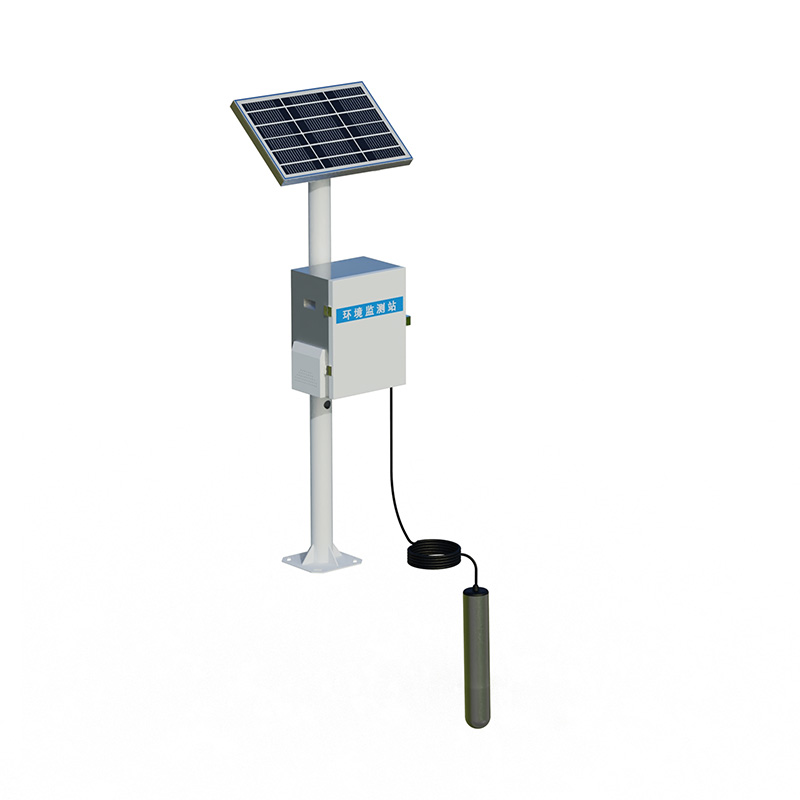
Dam seepage monitoring station system consists of a weir gauge, a triangular weir, and other equipment, responsible for measuring reservoir seepage data and monitoring the dam body's flow in real time. This system collects key parameters such as seepage flow, seepage pressure, and seepage velocity to monitor changes in seepage flow in the dam body, foundation, and surrounding areas.
Dam seepage monitoring station system is a specialized device for monitoring seepage conditions in the dam body, foundation, and surrounding areas. Its system mainly consists of two parts: on-site detection equipment and a remote monitoring terminal. The on-site detection equipment, centered on the weir gauge and triangular weir, is responsible for measuring reservoir seepage data and monitoring flow at the reservoir site. The remote monitoring terminal collects the data acquired by the on-site detection equipment and transmits the data to the monitoring center wirelessly.
The weir gauge is a key component for seepage measurement, employing a magnetostrictive sensor for liquid level measurement. The sensor consists of a magnetic rod, a float, a measuring circuit, and a stainless steel casing. When the water level in the weir flume changes, the float rises and falls with the water level, causing displacement. The measuring circuit calculates the precise liquid level height based on the magnetostrictive principle. The system automatically calculates real-time seepage flow data by measuring the water head above the weir and applying empirical formulas corresponding to the weir flume type (triangular weir, trapezoidal weir, or rectangular weir).
The data collected by Dam seepage monitoring station covers multiple key parameters, mainly including seepage flow, seepage pressure, and seepage velocity. The system supports continuous monitoring and can promptly acquire seepage change trends. The data acquisition unit filters, amplifies, and converts the sensor signals from analog to digital before transmitting them to a central monitoring platform or cloud server via wired or wireless means. On the data processing platform, the system performs in-depth analysis of the received data to assess the seepage stability and safety of the dam and identify potential seepage patterns.
This monitoring station has a threshold warning function; when the monitored seepage flow or seepage pressure exceeds a set safety threshold, the system automatically triggers an alarm mechanism. Alarm methods include audible and visual alarms, SMS notifications, or platform pop-up prompts, reminding management personnel to take timely countermeasures. Management personnel can also remotely access the monitoring platform via the internet to view real-time data and historical records, adjust monitoring parameters, or receive early warning information.
The application of Dam seepage monitoring station plays a crucial role in ensuring the safe operation of water conservancy projects. By monitoring the seepage status of the dam body in real time, potential leakage anomalies can be detected promptly, preventing engineering disasters such as piping, landslides, or dam failures caused by seepage problems. Simultaneously, the long-term monitoring data accumulated by the system can provide a scientific basis for dam structural health assessments, guiding engineering management departments to formulate reasonable maintenance strategies and optimize resource allocation. This equipment is suitable for seepage monitoring needs in reservoir dams, hydropower stations, dams, and other hydraulic structures.
Article address:https://www.sqqx.net/en/news/844.html