
 +86 15898932201
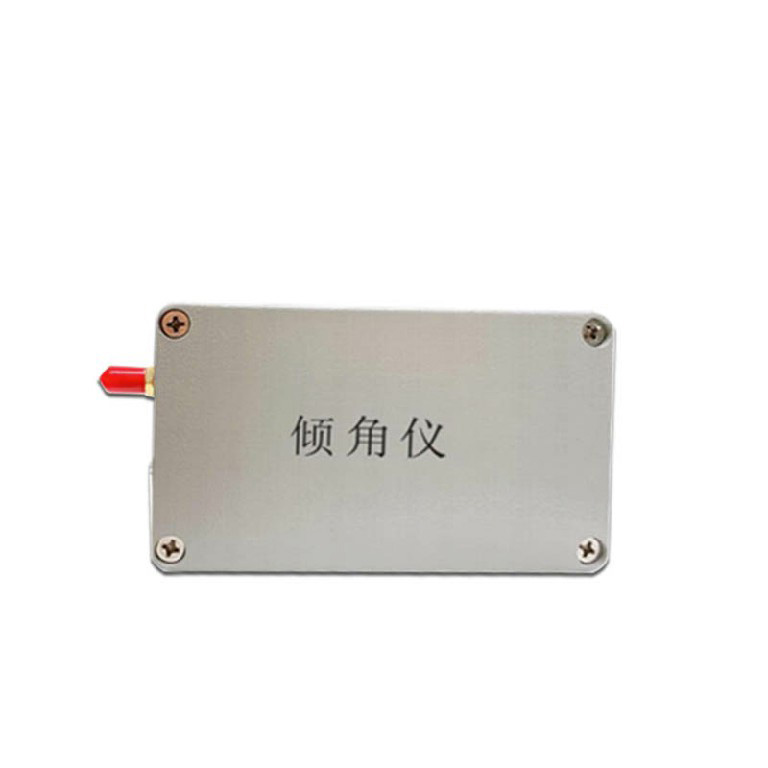
Wireless Tilt Sensor determines an object's tilt angle by measuring the projection of gravity onto different axes. It enables real-time monitoring of high-frequency structural vibrations and minute tilt changes in geological hazard bodies. Suitable for monitoring across multiple disciplines, it can also be integrated into a closed-loop monitoring and alarm system.
Wireless Tilt Sensor is a specialized monitoring device. Its core principle involves precisely determining an object's tilt angle by measuring the projection of gravity onto various axes. Primarily utilized in the field of structural monitoring, it balances both real-time responsiveness and reliability, making it adaptable to a wide range of complex monitoring scenarios. The device requires no complex installation or calibration procedures; it can be deployed rapidly to accurately capture subtle changes in the monitored object, thereby providing reliable data support for subsequent monitoring analysis.
The device's primary application scenarios involve the real-time monitoring of high-frequency structural vibrations and minute tilt changes in geological hazard bodies. It is capable of acutely detecting minute changes in tilt angles and high-frequency vibration patterns within the monitored object, providing timely feedback on anomalies to prevent safety hazards that might otherwise arise from delayed monitoring. Characterized by high measurement precision and rapid response speeds, it effectively overcomes the limitations—such as response lag and insufficient accuracy—often associated with traditional monitoring equipment, thereby satisfying a diverse array of precision monitoring requirements.
Wireless Tilt Sensor can be integrated with smart gateways, alarm devices, and IoT platforms to establish a closed-loop system for geological hazard hotspots—enabling autonomous monitoring, analysis, and alarming. This system facilitates the real-time transmission and automated analysis of monitoring data, as well as the issuance of anomaly alerts, thereby significantly enhancing the efficiency and safety of monitoring operations while reducing the workload and potential for human error associated with manual monitoring. Such a closed-loop system ensures a rapid response to monitoring anomalies, thereby securing precious time for the effective mitigation of potential hazards.
The device boasts a wide scope of application, serving various monitoring sectors including geological hazard management, geotechnical engineering, civil engineering, transportation, water conservancy, and municipal infrastructure. In the context of geological hazard monitoring, it can track minute tilt changes in hazard bodies such as landslides and rockfalls. In civil engineering, it monitors structural vibrations and tilt displacements within buildings. In the transportation, water conservancy, and municipal sectors, it is utilized for the structural monitoring of roads, bridges, water infrastructure, and similar facilities. Its stable performance and extensive adaptability establish it as a vital tool across diverse monitoring operations, providing robust safety assurance for relevant sectors and contributing to the advancement of intelligent and precision-driven monitoring capabilities.
Article address:https://www.sqqx.net/en/news/854.html