
 +86 15898932201
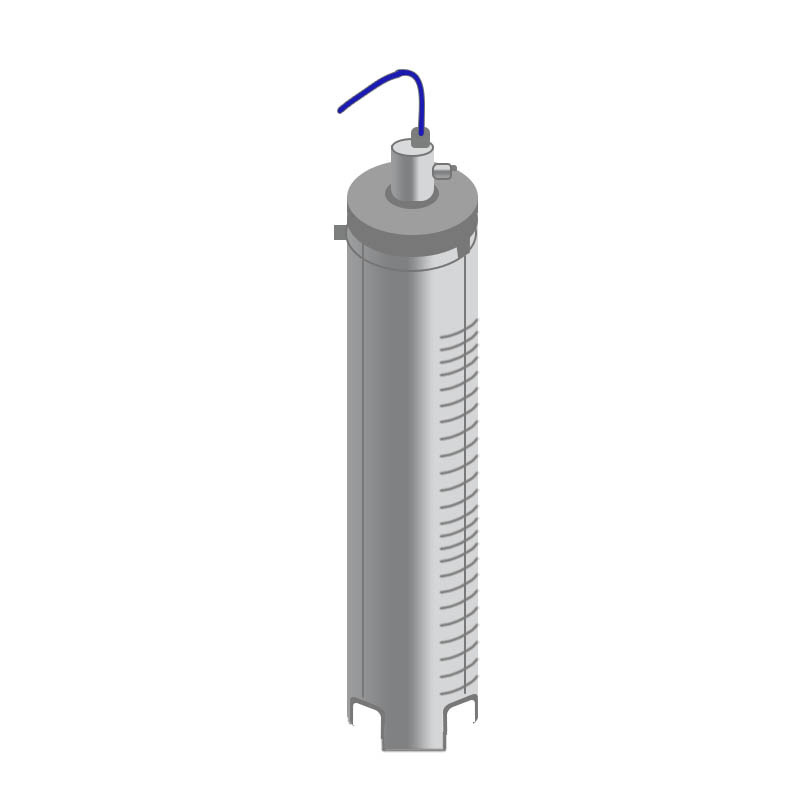
Dam seepage monitoring is an open-channel flow measurement technology that combines a magnetostrictive liquid level sensor with a standard hydraulic weir structure. It is suitable for monitoring the flow rates of various fluids, including clear water, rainwater, and general industrial wastewater. Prolonged seepage can lead to piping, soil liquefaction, slope instability, and dam body cracking; in severe cases, it may even trigger a dam breach. By monitoring seepage rates and changes in the seepage field in real time, the effectiveness of the dam's seepage control measures can be evaluated, thereby ensuring the safe operation of the dam.
Dam seepage monitoring is a critical technical means for safeguarding the safe operation of water conservancy projects. The long-term effects of seepage can result in piping, soil liquefaction, slope instability, and cracking of the dam body; in extreme cases, this may precipitate a dam breach, posing a direct threat to the lives and property of downstream populations. The Dam seepage monitoring system monitors internal dam seepage conditions in real time and with high precision, providing engineering management personnel with accurate data support. It serves as an essential basis for evaluating the effectiveness of the dam's seepage control measures and its structural stability.
The Dam seepage monitoring system primarily consists of three components: a measuring weir, a liquid level sensor, and a data acquisition unit. The measuring weir utilizes a standard hydraulic weir structure—including V-notch (triangular), rectangular, or trapezoidal weir types—with the appropriate weir type selected based on site-specific drainage conditions and flow rate ranges. A magnetostrictive liquid level sensor is installed on the upstream side of the weir to measure the water head height above the weir crest; by combining this measurement with the weir's geometric dimensions and standard flow calculation formulas, the seepage flow rate can be calculated with high precision. This measurement methodology adheres to fundamental hydraulic principles, yielding data that is both reliable and easily verifiable.
Dam seepage monitoring is suitable for use with a wide variety of fluid media, including clear water, rainwater, and general industrial wastewater. The system demonstrates excellent environmental adaptability, operating stably within a temperature range of -20°C to 70°C. With an IP68 protection rating, it is well-suited for long-term deployment in humid, dusty, and rugged outdoor environments. The sensor body is constructed from stainless steel or engineering plastics, offering superior corrosion resistance and allowing for direct contact with the water being measured without compromising measurement accuracy. In practical applications, the Dam seepage monitoring system acquires seepage data in real time to generate continuous time series, thereby clearly reflecting how seepage flow rates vary in response to external factors such as water levels and rainfall. Should an abnormal increase in seepage flow occur, the system automatically issues a warning signal, alerting management personnel to conduct an inspection. The seepage data accumulated over the long term can be utilized to back-calculate the dam body's permeability coefficient, evaluate the effectiveness of anti-seepage cut-off walls, and identify the presence of concentrated seepage channels, thereby providing a scientific basis for formulating plans for hazard elimination and structural reinforcement.
The Dam seepage monitoring system holds significant importance in ensuring the safety of hydraulic engineering projects. Through systematic seepage monitoring, project managers can stay abreast of the dam's operational status in a timely manner, detect potential safety hazards, and implement targeted measures to prevent the occurrence of critical incidents. This technology has been widely adopted for seepage safety monitoring across various types of earth-rock dams, concrete dams, and levee projects.
Article address:https://www.sqqx.net/en/news/855.html