
 +86 15898932201
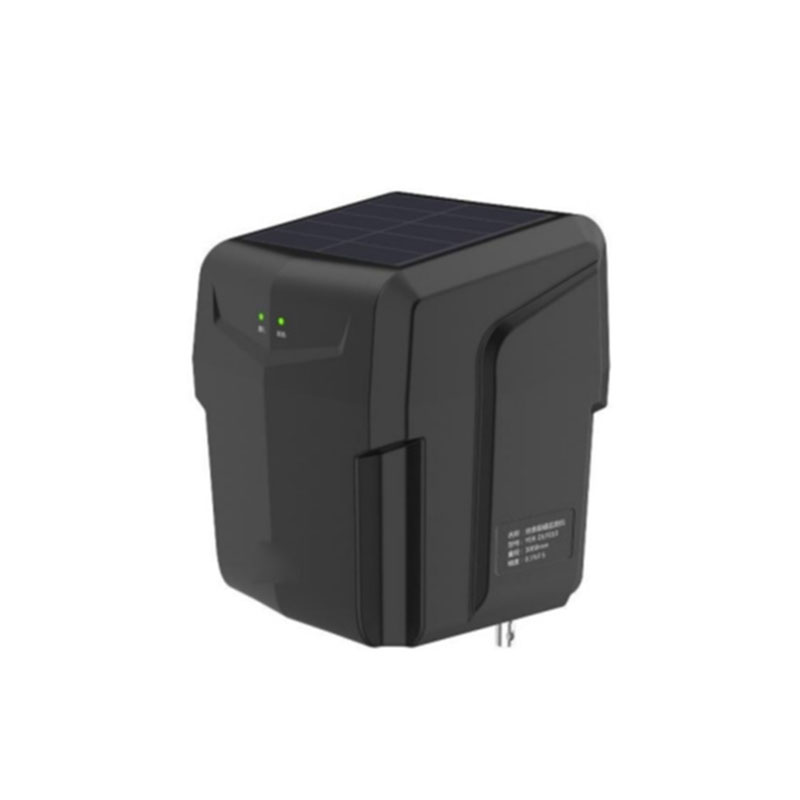
Structural Health Monitor is a device used to measure the angle of inclination of an object relative to the direction of gravity. This sensor measures the angle between the measured plane and the horizontal plane and is widely used in angle measurement systems in industrial control, building monitoring, and transportation.
Structural Health Monitor is an electronic device that measures the angle of inclination of an object. Its basic principle is to utilize the effect of gravitational acceleration on internal sensitive components to measure angle changes. Common sensor types include electrolytic, MEMS, and vibrating wire types, each with its specific measurement range and accuracy level. These sensors can output analog or digital signals to meet the interface requirements of different systems.
In the industrial field, this sensor is mainly used for equipment attitude monitoring and control. In construction machinery, it is installed on the boom and turntable of excavators, cranes, and other equipment to monitor the inclination angle of each component in real time. This data is transmitted to the control system to achieve functions such as automatic leveling and anti-rollover protection. In industrial robot applications, the sensor provides feedback information on joint angles, ensuring the precise positioning of the robotic arm. In CNC machine tools, it is used to detect the horizontal state of the machine bed to ensure processing accuracy.
The construction industry is another important application field for Structural Health Monitor. During the construction of high-rise buildings and large bridges, sensors are installed in key structural parts to monitor the verticality and overall deformation of the structure over the long term. By continuously measuring angle changes, engineers can assess the safety status of the structure and detect abnormal displacements in a timely manner. In existing building health monitoring, a sensor network can record the dynamic response of the structure under wind load and temperature changes, providing data support for structural safety assessment.
In the transportation sector, this sensor has multiple uses. In railway systems, it is installed on track inspection vehicles to measure the superelevation and horizontal state of the track. In road transport, heavy trucks and vehicles transporting hazardous materials use this sensor to monitor the inclination of the vehicle body to prevent rollover accidents. In the aerospace field, high-precision sensors provide attitude reference for aircraft, assisting in the operation of navigation systems.
Modern Structural Health Monitor typically features temperature compensation, which reduces the impact of ambient temperature changes on measurement accuracy. Some products also have built-in digital filtering algorithms, which can effectively suppress interference factors such as vibration. The protection level of the sensor is generally IP67 or higher, enabling it to adapt to various harsh industrial environments. In terms of installation methods, various options are available, including threaded and flanged mounting, facilitating on-site installation.
With the development of IoT technology, Structural Health Monitor is evolving towards intelligence and networking. The new sensors integrate wireless communication modules, enabling real-time uploading of measurement data to a cloud platform. Users can remotely monitor the status of multiple measurement points via mobile phones or computers. The system also features data storage, trend analysis, and early warning functions. When the measured value exceeds a set threshold, an alarm message is automatically sent to the management personnel.
The measurement accuracy of this sensor is typically between ±0.1° and ±0.01°, with a response time in the millisecond range. These technical specifications meet the needs of most industrial applications. When selecting a sensor, it is necessary to determine the required range, accuracy, output interface, and environmental adaptability based on the specific application scenario. Correct selection and installation are crucial factors in ensuring measurement accuracy.
Article address:https://www.sqqx.net/en/news/795.html