
 +86 15898932201
Seepage Monitoring is a non-contact monitoring device that continuously measures the water level at a measuring weir and calculates and outputs flow rate data. It is specifically designed for automated monitoring of reservoir seepage flow. The device accurately calculates the flow rate by measuring the height of the water flowing over a specifically shaped weir, providing critical data support for dam safety operation.
Seepage Monitoring is a professional instrument specifically designed for seepage monitoring in hydraulic engineering. This device uses a non-contact measurement method to continuously monitor water level changes in the measuring weir and automatically calculates instantaneous and cumulative flow rates based on the water level data, achieving automated monitoring of dam seepage flow.
The working principle of the device is based on weir flow theory. It calculates the flow rate by precisely measuring the head height of the water flowing over a specifically shaped weir plate. When water flows through standard weir openings such as triangular, rectangular, or trapezoidal weirs, a stable relationship between water level and flow rate is formed upstream of the weir plate. Seepage Monitoring measures this head height using high-precision sensors and then calculates the accurate flow rate value according to the corresponding weir flow formula. For a common triangular weir, the flow rate is proportional to the 5/2 power of the head height; while for a rectangular weir, the flow rate is proportional to the 3/2 power of the head height.
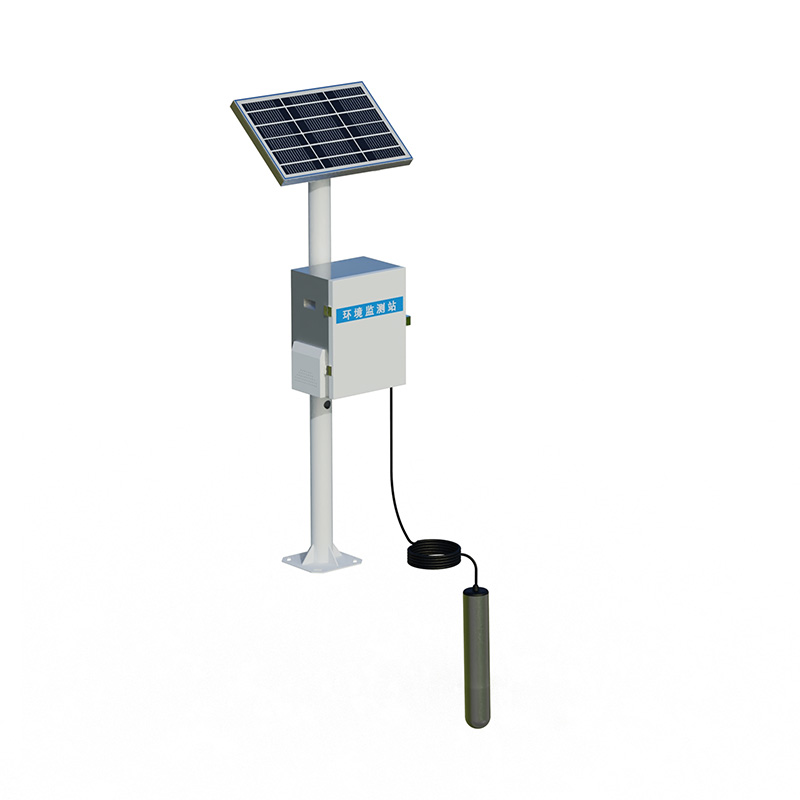
Seepage Monitoring typically consists of a water level sensing unit, a data processing module, a power supply system, and a communication unit. Water level measurement mostly uses ultrasonic or radar technology. The sensor is installed at a certain height above the weir plate, emitting a signal to the water surface and receiving the echo. The water level value is determined by calculating the time difference. The data processing unit has a built-in professional algorithm that automatically converts water level readings into flow rate data. The device is usually equipped with a solar power system to ensure long-term stable operation in outdoor environments. Monitoring data can be transmitted to the monitoring center via wired or wireless means for remote real-time monitoring.
In reservoir dam safety monitoring, Seepage Monitoring is mainly installed in seepage monitoring ditches or collection wells to accurately measure the seepage flow through the drainage system. Changes in seepage flow are an important indicator for evaluating the structural safety of the dam. Abnormal increases in seepage flow may indicate leakage problems in the dam body or foundation. By continuously monitoring the trend of seepage flow changes, engineering management personnel can timely understand the operating status of the dam and provide a scientific basis for safety management.
The application of this device is mainly concentrated in the field of safety monitoring of hydraulic engineering projects. In addition to seepage monitoring of reservoir dams, it can also be used for measuring seepage flow in other hydraulic structures such as embankments and sluice gates. During the construction phase, it can be used to monitor the drainage volume of foundation pits; during the operation phase, it is used for long-term monitoring of the seepage status of the structures. Some specially designed Seepage Monitoring can also be applied to corrosive environments or situations requiring high-precision measurements.
The technical advantages of Seepage Monitoring are reflected in several aspects. The non-contact measurement method avoids direct contact between the sensor and the water body, reducing the impact of sediment accumulation, corrosion, and biological fouling on the measurement. The automated monitoring function enables continuous 24/7 measurement, replacing traditional manual measurement methods and greatly improving monitoring efficiency and data integrity. Remote data transmission capabilities allow managers to monitor the seepage status of monitoring points in real time, enabling them to identify problems and take countermeasures promptly.
With the advancement of IoT technology and data analysis methods, modern Seepage Monitoring are developing towards intelligence. The new generation of products integrates self-diagnosis, data storage, and intelligent early warning functions, capable of automatically identifying abnormal equipment status and issuing alarms when the seepage flow exceeds the warning value. These technological advancements make Seepage Monitoring an indispensable and important equipment in the safety monitoring system of hydraulic engineering projects, providing reliable technical support for dam safety management.
Article address:https://www.sqqx.net/en/news/796.html