
 +86 15898932201
Soil Erosion Monitoring system is an automated, unattended monitoring system based on the weighing principle. It automatically calculates runoff, runoff sediment content, and total runoff by accurately measuring the weight changes of the runoff and sediment mixture. It is widely used in agriculture, forestry, water conservancy, environmental protection, and scientific research.
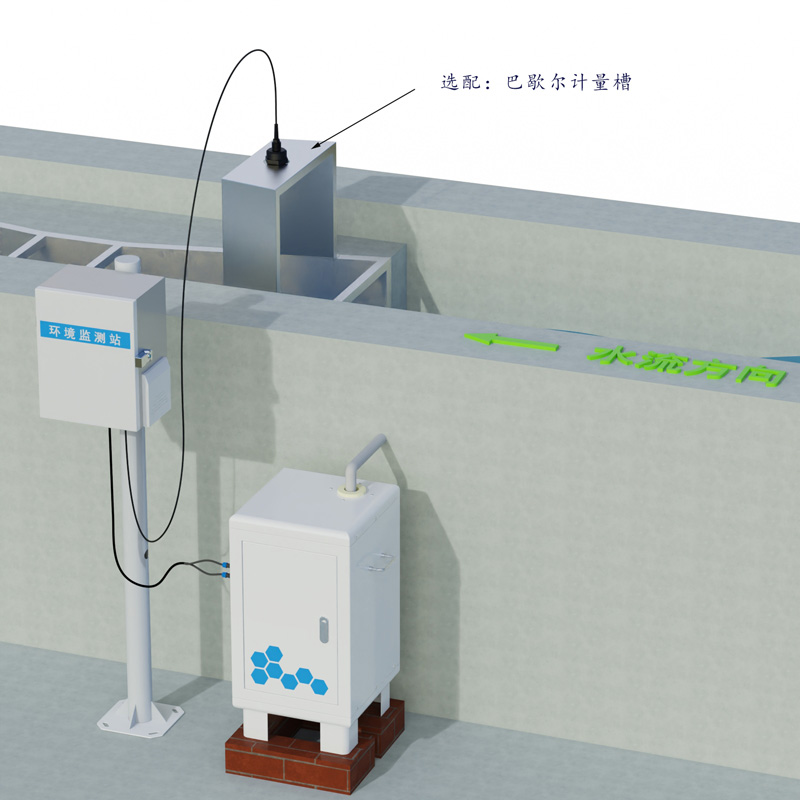
Soil Erosion Monitoring system is a key piece of equipment in modern soil and water conservation monitoring and scientific research. It is mainly used for fully automated, continuous, and precise quantitative monitoring of surface runoff and its carried sediment caused by rainfall or snowmelt at locations such as natural slopes, runoff plots, or small watershed outlets, thereby directly calculating soil loss.
The core measurement principle of this equipment is the weighing method. Its basic workflow involves introducing a mixed sample of surface runoff and sediment through a pipeline into a high-precision weighing container. The built-in weighing sensor (such as a strain gauge or electromagnetic force balance sensor) measures the total weight of the mixed liquid in the container in real time. Simultaneously, the equipment typically integrates multiple auxiliary sensors such as those for liquid level, flow rate, and temperature. Based on the weighed weight, liquid level, and preset sample density parameters, the system uses a specific mathematical model (e.g., subtracting the container tare weight and the known weight of clean water from the total weight, the remaining weight increment represents the sediment weight) to simultaneously calculate the cumulative runoff, real-time runoff sediment concentration, and total sediment loss. The entire measurement process requires no manual intervention, achieving automatic sampling, measurement, emptying, and data recording.
Technically, this equipment integrates multiple technologies. It utilizes high-precision sensor technology for weight sensing, converts analog signals to digital signals through analog-to-digital conversion, employs photoelectric or ultrasonic technology to assist in liquid level determination and flow pattern identification, and uses a computer and data acquisition unit for real-time calculation, control, and storage. Data can be transmitted remotely via wired or wireless means.
The application value of this equipment mainly lies in the high accuracy and continuity of its data. Compared to traditional manual sampling, drying, and weighing methods, this system enables automated monitoring at minute-level or even higher frequencies, capturing the complete process of soil erosion, including key details such as runoff initiation time, peak runoff, and sediment concentration changes. This provides irreplaceable quantitative evidence for a deeper understanding of soil erosion mechanisms and for assessing the effectiveness of different land uses or soil and water conservation measures.
Therefore, this system is a crucial tool supporting scientific decision-making in soil and water conservation. Its monitoring data directly serves research on soil erosion patterns, evaluation of the effectiveness of soil and water conservation measures, acceptance of ecological construction projects, and localization parameter calibration of environmental models (such as the USLE/RUSLE model). It has significant scientific and practical implications for preventing soil erosion, protecting land resources, and maintaining ecological security.
Article address:https://www.sqqx.net/en/news/809.html