
 +86 15898932201
Hydrostatic leveling instrument is a high-precision device used for accurately monitoring relative settlement between multiple points. It is widely used in engineering projects such as bridges, tunnels, dams, subways, and foundation pits, continuously measuring vertical displacement changes of structures to ensure the long-term safety of infrastructure.
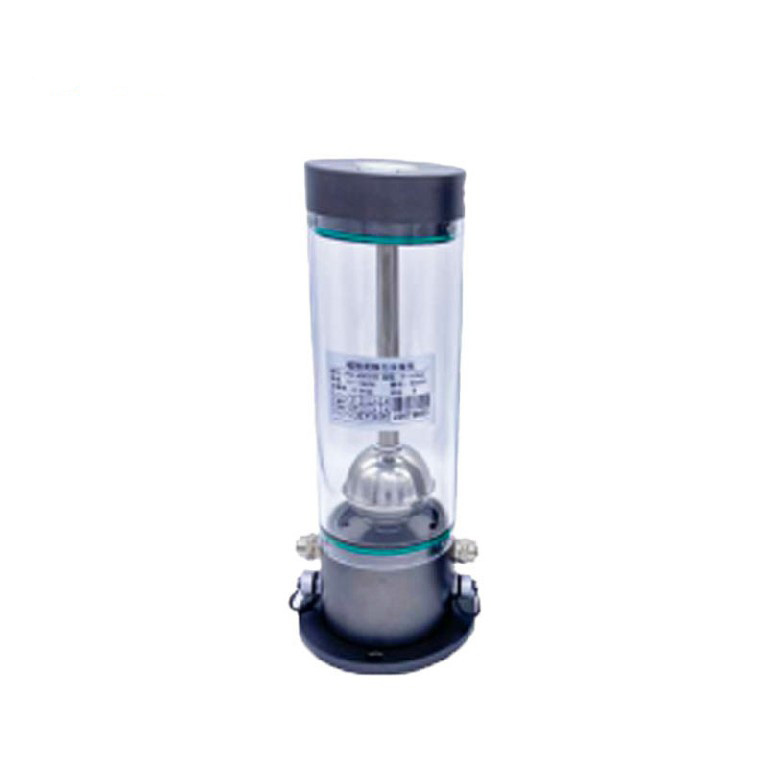
Hydrostatic leveling instrument is a high-precision automated monitoring device that measures relative vertical displacement between multiple points using the principle of communicating vessels. Its core function is to continuously capture minute settlement or uplift changes at different parts of the measured structure and transmit the data to the monitoring center in real time. This system is crucial for evaluating the long-term stability and operational safety of large-scale engineering structures and infrastructure.
The system mainly consists of a series of sensor units installed at the points to be measured, liquid tubes and communication cables connecting the units, a data acquisition device, and monitoring software. All sensor units form an internally connected closed system through liquid tubes, filled with a stable liquid. The measurement principle is based on the physical property that the liquid level in communicating vessels naturally maintains the same horizontal plane. When the structure at a certain installation point settles or uplifts, the sensor unit at that point moves accordingly, causing a change in the height of the internal liquid level relative to the sensor body. High-precision pressure or liquid level sensors capture this minute liquid level difference and accurately convert it into a vertical displacement value. The system sets one point as the reference point, and the displacement data of all other measurement points are relative to this reference point, thus achieving "relative settlement" monitoring between multiple points.
The core value of this device lies in its high precision and automation capabilities. Modern Hydrostatic leveling instrument can achieve measurement accuracy of sub-millimeter or even micrometer levels, effectively identifying early and slow settlement trends. The system can achieve continuous data acquisition at minute or hourly intervals and automatically upload data through wired or wireless networks, completely overcoming the problems of low efficiency, discontinuous data, and high risks associated with traditional manual periodic measurements.
The application scenarios of Hydrostatic leveling instrument are very wide, mainly focusing on engineering projects that are sensitive to uneven settlement or require high safety levels. In bridge construction, it is deployed at the main towers, piers, and supports to monitor settlement differences during various construction stages and the operational period. In subway tunnels, the system deployed along the line can monitor the settlement deformation of the tunnel segment structure during construction disturbances and long-term operation. For large dams, instruments are installed on the dam crest, galleries, and foundation to monitor the deformation and coordination of the dam body under different water level loads. Furthermore, it is used to monitor the settlement of support structures and surrounding important buildings during deep excavation of large foundation pits; it is also an indispensable settlement monitoring method in locations such as large storage tank foundations, nuclear power plants, high-speed railway embankments, and precision laboratories.
Through long-term accumulated settlement data, engineering technicians can analyze the deformation patterns of the structure, verify design assumptions, and receive timely alerts when the displacement or rate of change exceeds preset warning thresholds. This provides direct quantitative evidence for assessing the structural safety status and developing scientific maintenance and reinforcement plans. Therefore, deploying static leveling monitoring systems has become a standardized and critical technical measure for managing safety risks throughout the entire life cycle of modern major engineering projects.
Article address:https://www.sqqx.net/en/news/813.html