
 +86 15898932201
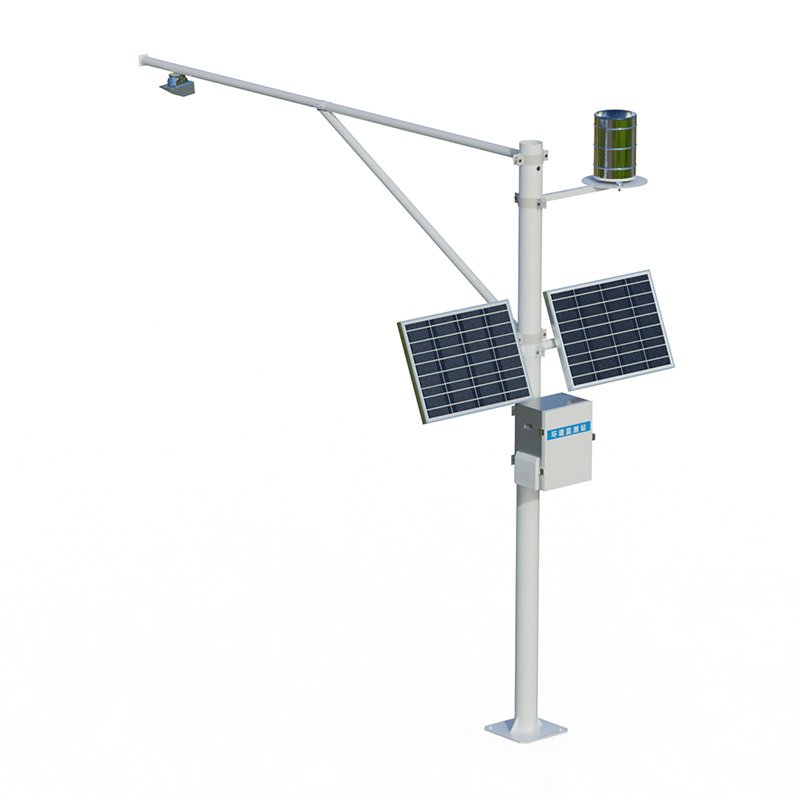
Hydrological monitoring equipment for hydropower stations can synchronously measure water level, flow velocity, flow rate, and rainfall in channels. This equipment provides real-time hydrological data for the safe operation of hydropower stations, supporting reservoir management, flood warning, and power generation optimization decisions.
Hydrological monitoring equipment for hydropower stations is a core technological equipment for ensuring the safe and efficient operation of hydropower stations. The accurate acquisition and real-time analysis of hydrological information directly relate to the flood control safety, power generation efficiency, and public safety of downstream areas. These devices integrate multiple sensors and data systems to automatically and continuously monitor key hydrological elements.
A complete Hydrological monitoring equipment for hydropower stations system typically possesses multi-parameter synchronous measurement capabilities. Its core measurement objects include the water level, flow velocity, cross-sectional flow rate of the channel or reservoir, and rainfall within the basin. Water level measurement often uses pressure, radar, or ultrasonic level gauges to reflect changes in reservoir capacity in real time. Flow velocity measurement commonly uses acoustic Doppler current profilers (ADCP) or radar surface velocity meters to calculate the water flow velocity at various points across the cross-section. Based on water level and flow velocity data, the system can further calculate the real-time flow rate, which is the volume of water passing through a given cross-section per unit time. In addition, the system integrates tipping bucket or optical rain gauges to automatically record rainfall intensity and cumulative rainfall, serving as input for basin inflow forecasting.
This real-time collected water level, rainfall, and flow rate data form the data basis for hydropower station operation decisions. In terms of reservoir management, based on accurate inflow and reservoir water level data, managers can scientifically formulate water storage or flood discharge plans, balancing flood control and beneficial use needs. In terms of flood control and disaster reduction, real-time data combined with basin hydrological models and meteorological forecasts can achieve accurate prediction of flood peak flow and arrival time, gaining valuable time to activate emergency plans and ensure the safety of the dam and downstream areas. In terms of power generation optimization, accurate knowledge of inflow conditions allows for rational scheduling of unit operation modes, maximizing hydropower utilization efficiency and improving power generation benefits.
From a technical implementation perspective, modern hydrological monitoring equipment generally uses remote sensing terminals and wireless communication technologies. Data collected by each sensor is aggregated, processed, and temporarily stored by the remote sensing terminal, and then transmitted to the hydropower station's monitoring center or cloud data platform via fiber optics, 4G/5G, or satellite communication. On the platform side, the data undergoes quality control, is stored in a database, and then visualized, analyzed for trends, and used for model calculations using specialized software. The system is typically equipped with an early warning function, automatically issuing an alarm when any monitoring parameter exceeds a preset safety threshold.
Therefore, Hydrological monitoring equipment for hydropower stations has evolved from a simple data recording tool into a comprehensive system integrating automatic sensing, remote transmission, intelligent analysis, and early warning support. It is not only a necessary facility to meet engineering safety monitoring standards but also a crucial foundation for achieving refined water resource management and digital operation of power plants. With advancements in sensor technology and artificial intelligence algorithms, its monitoring accuracy, reliability, and predictive capabilities will continue to improve, providing even stronger assurance for the long-term safe and stable operation of hydropower stations.
Article address:https://www.sqqx.net/en/news/832.html