
 +86 15898932201
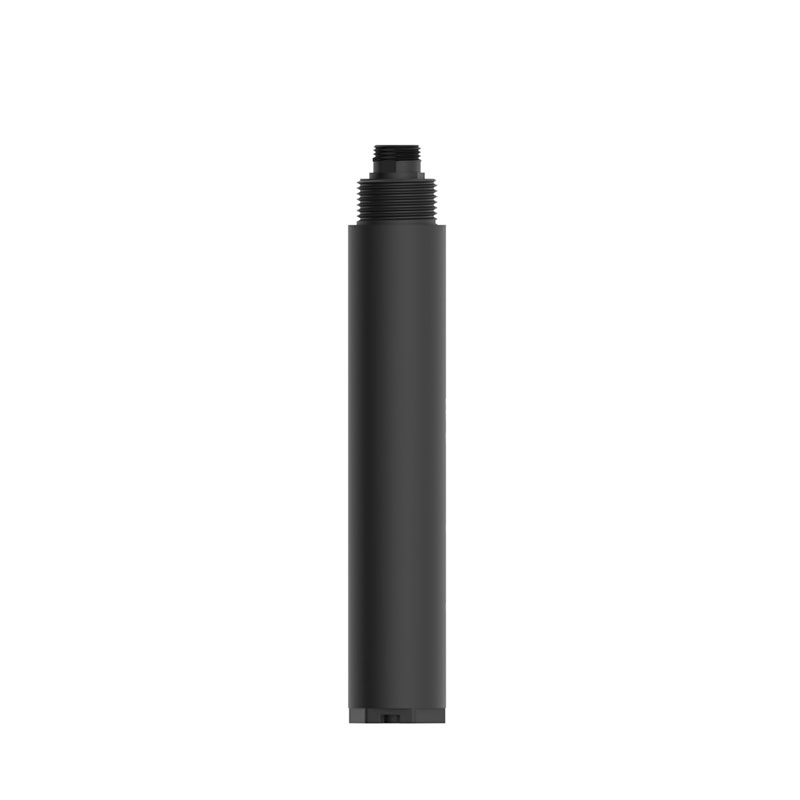
The Online turbidity sensor is a high-precision water quality analysis instrument that employs the 90° scattered light method to detect turbidity. It features a measurement range of 0 to 1000 NTU, a measurement accuracy of ±1%, and a resolution of 0.1 NTU. Portable and easy to operate, the device is suitable for on-site turbidity testing in various settings—including environmental protection agencies, municipal utilities, water treatment plants, and power stations—delivering reliable data.
The Online turbidity sensor is a portable water quality analysis instrument specifically designed for measuring water turbidity. Turbidity refers to the degree of light scattering caused by suspended particulate matter within water; it serves as a key indicator for assessing the cleanliness of water quality. The instrument utilizes the 90° scattered light method as its core detection principle: a built-in LED light source emits a beam of light at a fixed wavelength; as this beam passes through the water sample under analysis, suspended particles within the water cause the light to scatter. A photoelectric detector, positioned at a 90° angle relative to the incident light, captures the intensity of this scattered light, and the instrument's internal algorithms convert this light intensity signal into a turbidity value (NTU). This operating principle complies with both international and domestic standards—such as ISO 7027 and HJ 1075—thereby ensuring the reliability and inter-comparability of the test results.
In terms of technical specifications, the Online turbidity sensor offers a turbidity measurement range of 0 to 1000 NTU, capable of covering detection requirements ranging from pure water to moderately polluted water bodies. Its measurement accuracy is ±1% or ±2% of the reading (depending on the specific model), with a resolution of 0.1 NTU—specifications that fully satisfy the turbidity monitoring requirements for scenarios such as water treatment plant effluent, drinking water sources, and industrial circulating water systems. Many models also feature an automatic range-switching function, which automatically selects the appropriate measurement range based on the turbidity level of the sample, thereby ensuring measurement accuracy. The instrument is equipped with a built-in microprocessor that supports both zero-point calibration and multi-point calibration; users can perform these calibration procedures using Formazin standard solutions. In terms of practical application, the Online turbidity sensor unit integrates both turbidity analysis and testing capabilities. Compact and lightweight—typically weighing less than 0.5 kg—the device features a dual AC/DC power supply design; it can be powered by either a built-in rechargeable lithium battery or standard dry cells, offering an operating life of over 12 hours. With an ingress protection rating typically reaching IP65 or IP67, the device is capable of operating reliably in complex environments, such as during outdoor rainy conditions or within water treatment plant workshops. The user interface is generally equipped with a color LCD screen and guided by Chinese-language menus, allowing users to operate the instrument immediately without requiring specialized training. The device features a built-in data storage function capable of saving anywhere from hundreds to tens of thousands of measurement records, and supports data export via USB or Bluetooth.
The application scope of the Online turbidity sensor is extensive, covering a wide range of fields. These include boiler feedwater in power plants; finished water in purified water facilities; plant effluent and distribution network water in municipal waterworks; treated effluent from domestic wastewater treatment plants; process water in beverage manufacturing; on-site enforcement monitoring by environmental protection agencies; industrial circulating water systems; process water in the brewing and pharmaceutical industries; and wastewater testing in epidemic prevention agencies and hospitals. A single measurement typically takes less than 5 seconds; furthermore, the device supports a continuous sampling mode, thereby significantly enhancing the efficiency of on-site water quality testing operations.
Article address:https://www.sqqx.net/en/news/871.html