
 +86 15898932201
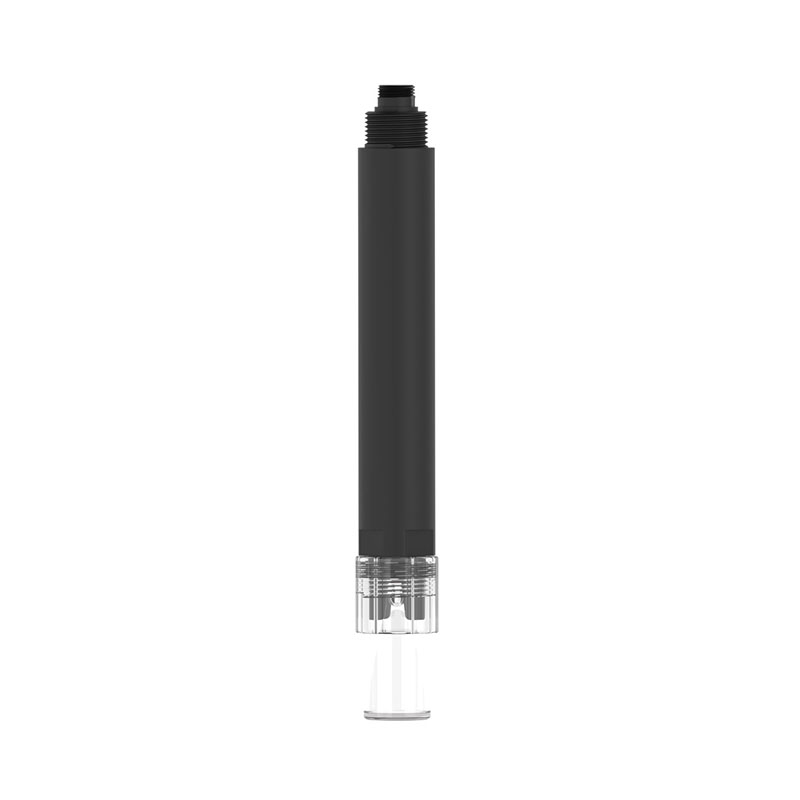
Water PH Sensor is a high-precision water quality analysis instrument featuring a measurement range of 0–14 pH and a resolution of up to 0.01 pH. Designed based on electrochemical principles (specifically, the salt bridge method), it is widely utilized in fields such as environmental protection, education and scientific research, pharmaceuticals and chemical engineering, and food safety testing.
Water PH Sensor is a water quality analysis device designed around electrochemical principles, primarily used for the rapid and accurate determination of a solution's acidity or alkalinity (pH value). The pH value serves as a crucial indicator of the strength of a solution's acidity or alkalinity, finding extensive application in numerous sectors including environmental monitoring, industrial production, healthcare, and agriculture. The device's operating principle relies on the electrochemical (salt bridge) method, utilizing a pH indicator electrode to determine the solution's pH via potentiometry. When the electrode is immersed in the sample solution, the potential of the indicator electrode shifts in response to changes in the solution's pH value; the instrument measures this potential difference, automatically converts it, and displays the corresponding pH reading. The measurement range of Water PH Sensor spans the entire pH scale from 0 to 14, with a typical measurement accuracy ranging from ±0.01 pH to ±0.1 pH, and a minimum display resolution of 0.01 pH. The device typically features an automatic temperature compensation function, which minimizes the impact of temperature fluctuations on measurement results, thereby ensuring data consistency.
Water PH Sensor is equipped with a variety of intelligent features designed to enhance user convenience. Most models support automatic calibration, allowing the instrument to automatically recognize various standard pH buffer solutions (e.g., pH 4.00, 6.86, 7.00, 9.18, etc.); users need only immerse the electrode into the calibration solution and follow the on-screen prompts to complete the calibration process. Certain models support multi-point calibration—ranging from 1 to 3 points, or even more—and can display the electrode slope percentage post-calibration, enabling users to determine whether the electrode requires replacement. The device typically includes a data storage function, capable of recording multiple sets of measurement data which can then be exported to a computer via USB or RS-232 interfaces. In terms of durability and protection, many Water PH Sensor units meet the IP67 standard for water and dust resistance, ensuring reliable operation in outdoor environments or under humid conditions. Typically weighing between 200 and 500 grams, the device is battery-powered, making it convenient for extended outdoor operations.
The applications of Water PH Sensor span across numerous industries. In the field of environmental monitoring, environmental protection agencies utilize this device to conduct rapid, on-site screening of pH levels in surface water, groundwater, industrial wastewater, and drinking water. In aquaculture and agriculture, farmers measure the acidity and alkalinity of pond water or irrigation water to regulate water quality, thereby optimizing the environment for aquatic farming and crop growth. Within the food processing and beverage production sectors, quality control personnel rely on this portable pH meter to test product pH levels, ensuring compliance with food safety standards and processing requirements. The device is also widely used in education and scientific research; students can utilize Water PH Sensor during laboratory courses to perform practical exercises such as acid-base titrations and solution property analyses. The device features a simple operating procedure: rinse the electrode with pure water and wipe it dry, insert the electrode into the solution to be tested, and record the reading after allowing 10 to 20 seconds for it to stabilize. After use, covering the electrode with its protective cap—containing a potassium chloride storage solution—can effectively extend the electrode's service life.
Article address:https://www.sqqx.net/en/news/875.html