
 +86 15898932201
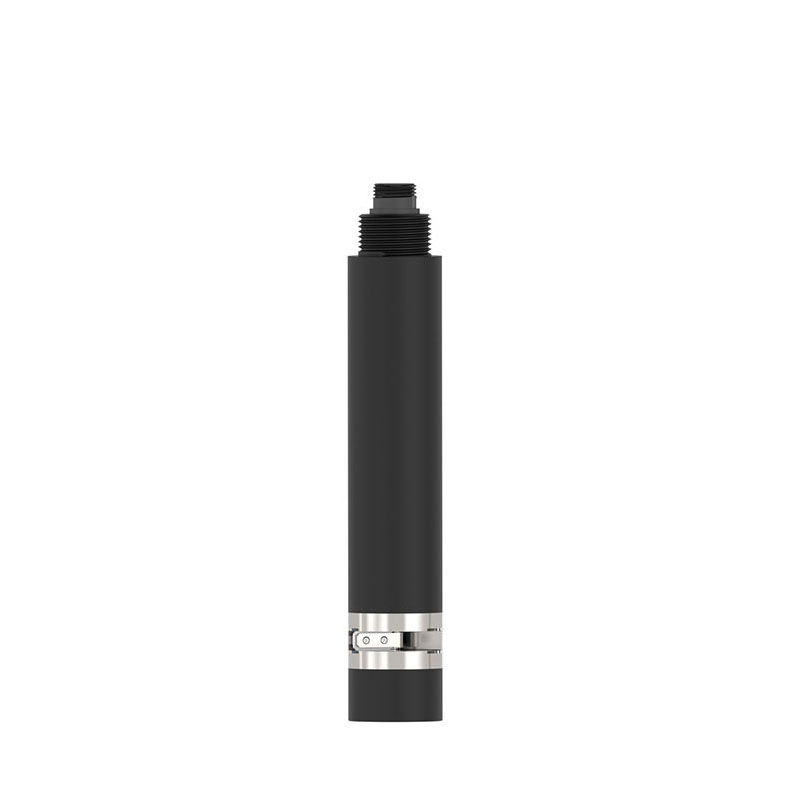
cod turbidity sensor measures Chemical Oxygen Demand (COD) based on the UV254 absorption method, featuring a measurement range of 0 to 1000 mg/L, an accuracy of ±5%, and a resolution of 0.1 mg/L. It also simultaneously supports turbidity detection. Turbidity is measured using the scattered light method, offering an accuracy of ±1% and a resolution of 0.1 NTU; this makes the device ideal for rapid on-site testing.
In scenarios such as environmental law enforcement, surface water patrols, and on-site inspections of wastewater treatment plants, rapidly obtaining Chemical Oxygen Demand (COD) data from water samples is a critical step in assessing the degree of organic pollution within a water body. A higher COD value indicates more severe contamination of the water by organic substances. cod turbidity sensor provides a portable solution for these types of on-site monitoring tasks. The device employs the UV254 ultraviolet absorption method as its core measurement principle. The sensor probe is immersed directly into the water sample; by leveraging the specific absorption characteristics of organic matter in water regarding ultraviolet light at a specific wavelength, the device establishes a linear relationship between the solution's absorbance and its COD value, thereby calculating the COD concentration within the water body. The COD measurement range spans from 0 to 1000 mg/L, with a resolution of 0.1 mg/L and a measurement accuracy of ±5%. Compared to the traditional potassium dichromate chemical digestion method, the UV254 absorption method requires absolutely no chemical reagents during the measurement process, thereby preventing secondary pollution. Furthermore, it eliminates the need for water sample pretreatment or high-temperature digestion; consequently, the testing time for a single sample is drastically reduced from the two hours required by traditional methods to just a few seconds or tens of seconds.
cod turbidity sensor typically integrates a turbidity measurement function as well. Turbidity is measured using the scattered light method: light emitted from a source illuminates suspended particulate matter within the water sample; the scattered light generated by these particles is then received by a photoelectric detector, and the intensity of the scattered light is directly proportional to the turbidity value. The turbidity measurement range covers 0 to 400 NTU, with a resolution of 0.1 NTU and an accuracy of ±1%. Utilizing both COD and turbidity metrics in tandem allows for mutual verification: water samples with high turbidity often contain a significant amount of suspended particulate matter, which may potentially interfere with the UV absorption-based measurement of COD. Certain sensor models feature built-in intelligent algorithms capable of compensating for turbidity interference in real time, thereby ensuring the accuracy of COD data across varying water quality conditions.
In terms of field operation, the cod turbidity sensor employs an immersion-based measurement method; users need only insert the sensor probe into the water sample to obtain a reading, completing the entire detection process within a matter of seconds. The device is equipped with a digital output interface supporting the RS485 communication protocol, allowing it to connect to a handheld display terminal or integrate directly into a data acquisition system. Furthermore, the instrument houses a built-in rechargeable battery, making it suitable for continuous use in the field. The unit features a fully sealed structure, offering robust water resistance and corrosion resistance, enabling it to meet the diverse monitoring requirements of various water bodies—ranging from sewage networks to rivers and lakes. For environmental monitoring agencies, industrial wastewater discharge regulators, and water resource management authorities, the cod turbidity sensor serves as a rapid field screening tool. It enables the immediate acquisition of COD data following sampling, facilitating the assessment of whether a water body has been subjected to organic pollution—and to what approximate extent—thereby providing essential on-site data support for water quality evaluation and discharge regulation.
Article address:https://www.sqqx.net/en/news/876.html