
 +86 15898932201
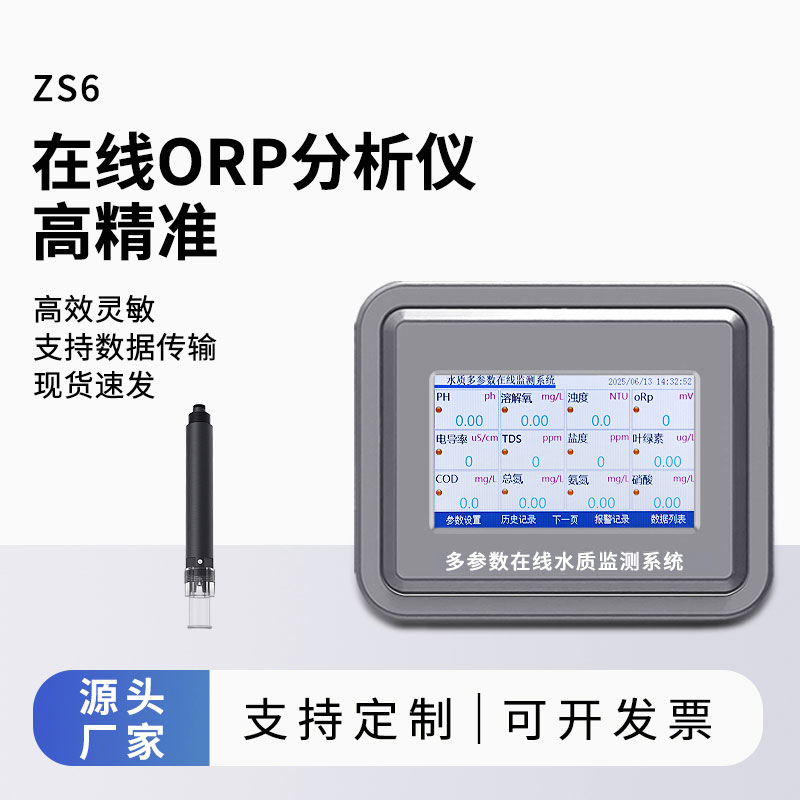
Online ORP Meter operates on electrochemical principles, utilizing a composite electrode—constructed from platinum or gold materials—to measure the redox potential of water. Its measurement range spans from -1500 mV to +1500 mV, with an accuracy of ±6 mV. This device is ideally suited for various field applications, including assessing the disinfection efficacy of swimming pool water, monitoring water quality in aquaculture, and managing industrial wastewater treatment processes.
Online ORP Meter is a specialized instrument designed specifically for measuring the redox potential of aqueous solutions. Redox potential is an electrochemical parameter expressed in millivolts (mV) that reflects the relative degree of a solution's oxidizing or reducing properties: a positive potential indicates that the solution possesses oxidizing characteristics, while a negative potential signifies reducing characteristics. The higher the absolute value of the potential, the stronger the oxidizing or reducing power. This parameter holds significant reference value in fields such as evaluating the disinfection efficacy of wastewater treatment, assessing the redox status of water quality, and researching biochemical processes within soil.
In terms of operating principles, Online ORP Meter consists of two primary components: a composite electrode and a millivoltmeter. The sensitive layer of the composite electrode is fabricated from inert metal materials—such as platinum or gold—which facilitate the absorption or release of electrons at the electrode surface. The reference electrode component employs the same silver/silver chloride (Ag/AgCl) structure typically found in pH electrodes. When the electrode is immersed in the water sample under analysis, redox reactions occurring within the solution generate a potential difference at the electrode surface; this potential difference corresponds directly to the solution's redox capacity, and the millivoltmeter measures and displays this value. The instrument is factory-calibrated using standard ORP solutions; consequently, users do not need to prepare reagents during operation—readings can be taken immediately after inserting the electrode into the water sample.
The procedure for using Online ORP Meter in the field is straightforward: after removing the electrode, rinse it thoroughly with deionized or distilled water, then fully immerse it into the water sample to be tested. The instrument typically features an internal automatic temperature compensation function, which automatically adjusts the potential readings based on the water temperature, thereby preventing measurement errors caused by temperature fluctuations. Once the displayed value stabilizes, the reading can be recorded; a single measurement is typically completed within 30 seconds. After use, simply rinse the electrode with clean water and store it properly. In practical application scenarios, Online ORP Meter covers multiple stages ranging from raw water monitoring to treated water verification. In swimming pool water management, operations and maintenance personnel utilize it to measure the ORP value following chlorination disinfection; if the ORP value falls below the standard threshold, it indicates insufficient disinfectant dosage, necessitating supplementary addition to ensure residual chlorine levels remain within a safe range. In the field of aquaculture, high-value aquatic species—such as shrimp—are highly sensitive to water quality conditions; technicians employ ORP meters to monitor the redox status of pond water, enabling them to take timely corrective measures upon detecting abnormal fluctuations and thereby prevent widespread disease outbreaks caused by deteriorating water quality. Within environmental monitoring agencies, technicians use the device to collect ORP data at industrial wastewater discharge outlets and river cross-sections, providing empirical evidence to support environmental enforcement and water quality assessments. Additionally, personnel in municipal water supply departments utilize Online ORP Meter to conduct on-site spot checks of water samples collected at the extremities of the distribution network, integrating these measurements with pH and residual chlorine parameters to comprehensively assess water stability and the potential for pipe corrosion.
Article address:https://www.sqqx.net/en/news/874.html