
 +86 15898932201
Multi Parameter Water Quality Monitor System integrates multiple water quality sensors for pH, temperature, turbidity, conductivity, dissolved oxygen, COD, ammonia nitrogen, and suspended solids. It utilizes various sensing technologies, including ultraviolet-visible spectroscopy and ion-selective electrodes. Automatic calibration and pre-processing systems ensure data accuracy, allowing for 24/7 uninterrupted operation and meeting the online monitoring requirements of medical institution wastewater discharge.
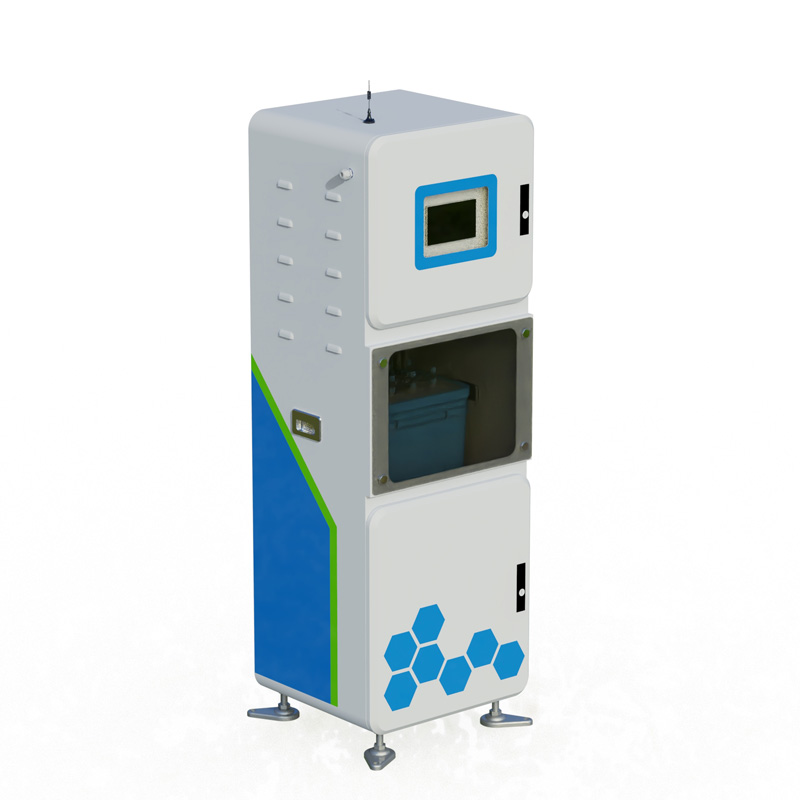
Multi Parameter Water Quality Monitor System is an integrated water quality monitoring system designed for medical institution wastewater discharge outlets. Its main monitoring parameters include pH, temperature, turbidity, conductivity, dissolved oxygen, COD, ammonia nitrogen, suspended solids, and residual chlorine. The highly integrated device combines multiple sensors, data acquisition modules, display units, and remote communication units within a single cabinet. It can be directly installed at the hospital's main wastewater discharge outlet or the wastewater treatment plant's effluent outlet, enabling continuous 24-hour online monitoring of discharged water quality.
In terms of sensor technology, modern [instrument name] generally employs multiple sensing principles, including optical and electrochemical methods. COD measurement uses ultraviolet-visible spectroscopy, ammonia nitrogen measurement uses ion-selective electrode method, and pH and conductivity sensors utilize corrosion-resistant materials and anti-clogging designs to effectively reduce measurement drift caused by biofouling and chemical erosion. This technological configuration avoids the problems of high reagent consumption and frequent maintenance associated with traditional wet chemical methods, while ensuring long-term stability of measurement accuracy. Measurement data from different sensors are collected and processed through a unified data acquisition instrument and interfaced with the back-end management platform via interfaces such as RS485. Some models also have a built-in automatic calibration mechanism that can perform standard solution calibration and blank control at set intervals to ensure stable measurement benchmarks.
[Instrument name] has established a complete workflow from sampling to data reporting. At the sampling end, the pretreatment system filters, settles, and backwashes the wastewater to remove large suspended solids and impurities, ensuring that the water sample entering the analysis unit is representative. The data analysis unit converts the raw signals from the sensors into concentration values, which are then processed by a data acquisition instrument and uploaded in real time to the monitoring platform via 4G or wired network. The upload process employs standardized communication protocols and encrypted transmission methods, featuring breakpoint resume and data anti-tampering capabilities. The monitoring platform can display real-time trends in water quality indicators, automatically triggering an alarm when any indicator exceeds a preset threshold, notifying management personnel for timely intervention.
Multi Parameter Water Quality Monitor System has been deployed and accepted in several hospitals. For example, Peking University People's Hospital Tongzhou Branch installed online wastewater monitoring devices and completed environmental acceptance according to local environmental protection requirements; Huludao Central Hospital established an automatic wastewater monitoring system by purchasing online chemical oxygen demand (COD) monitors, online ammonia nitrogen monitors, and online pH meters. In terms of operation and maintenance, medical institutions and third-party operation and maintenance units need to formulate inspection plans in accordance with the HJ 355-2019 standard, regularly replace consumables, clean pipelines, check sensor status, and cooperate with environmental protection departments to carry out manual comparative monitoring, comparing online data with the test results of laboratory standard methods, and controlling the error within the specified range, thereby building a full-chain data quality assurance system from sampling, measurement, transmission to management.
Article address:https://www.sqqx.net/en/news/882.html